| Description | Part # | Saved | Price | Select Option | Add to |
|---|---|---|---|---|---|
| BN Rollscan 210 Noise Signal Analyzer | SM-STECH-ROLLSCAN-210 |
|
Request Pricing | ||
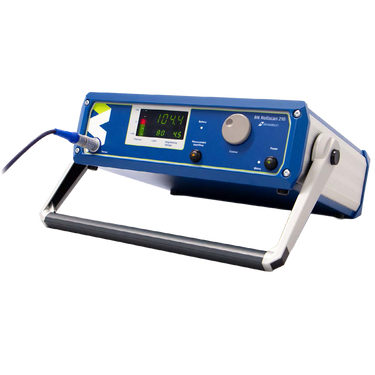
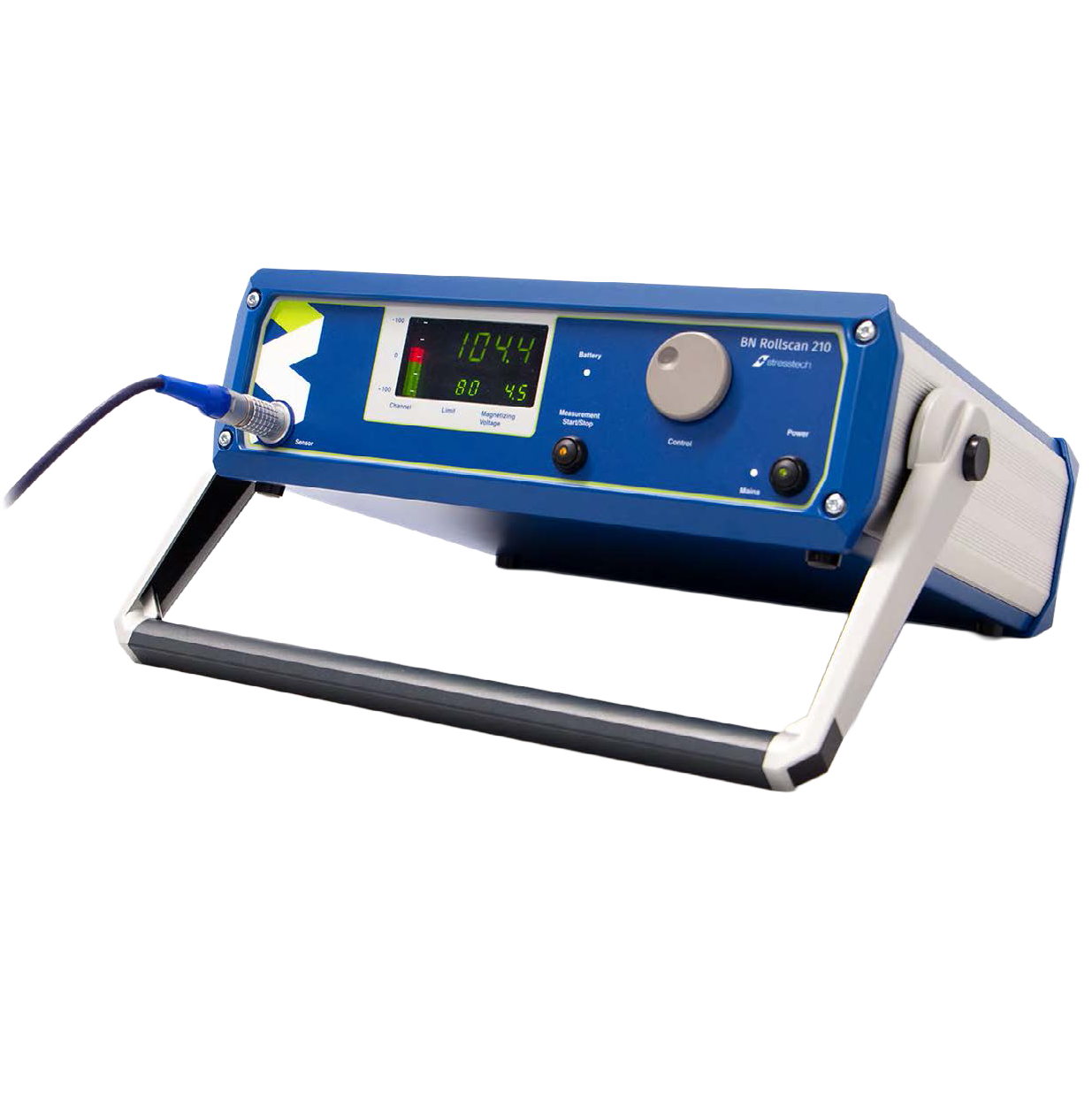
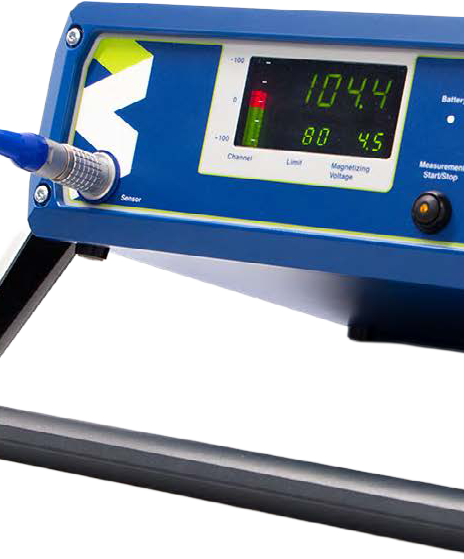
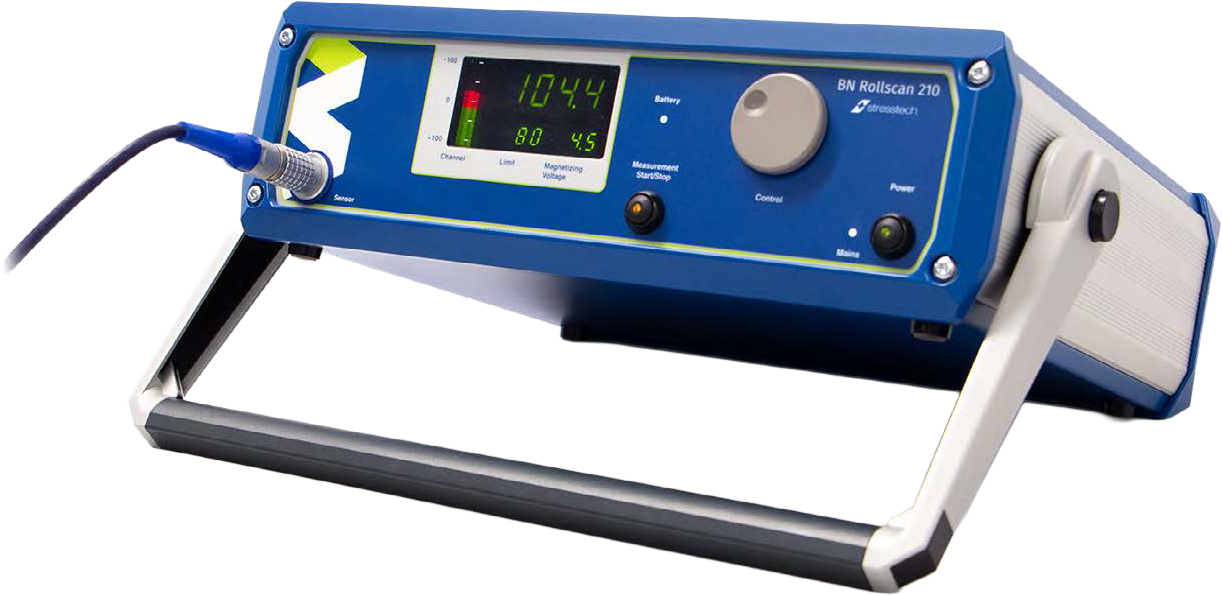
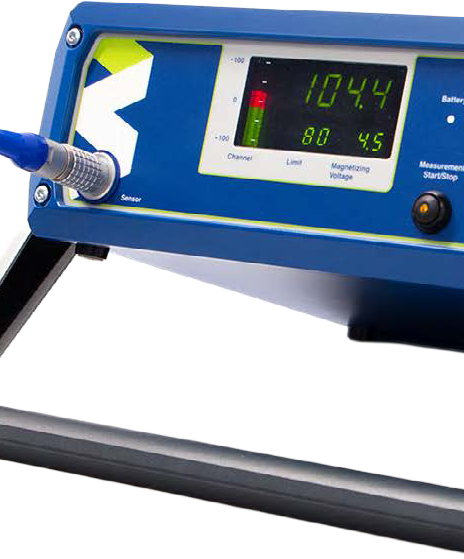
The BN Rollscan 210 is a portable analog Barkhausen noise analyzer for on-site quality control and detection of near-surface defects — grinding burns, heat treatment issues, and stress or microstructure changes in ferritic steels and other ferromagnetic materials. A front-panel LED bar graph and numerical display show RMS value, limit value, and magnetizing voltage, with all measurement parameters adjustable through front-panel controls on a single measurement channel.
To inquire or request a quote, please click the button below
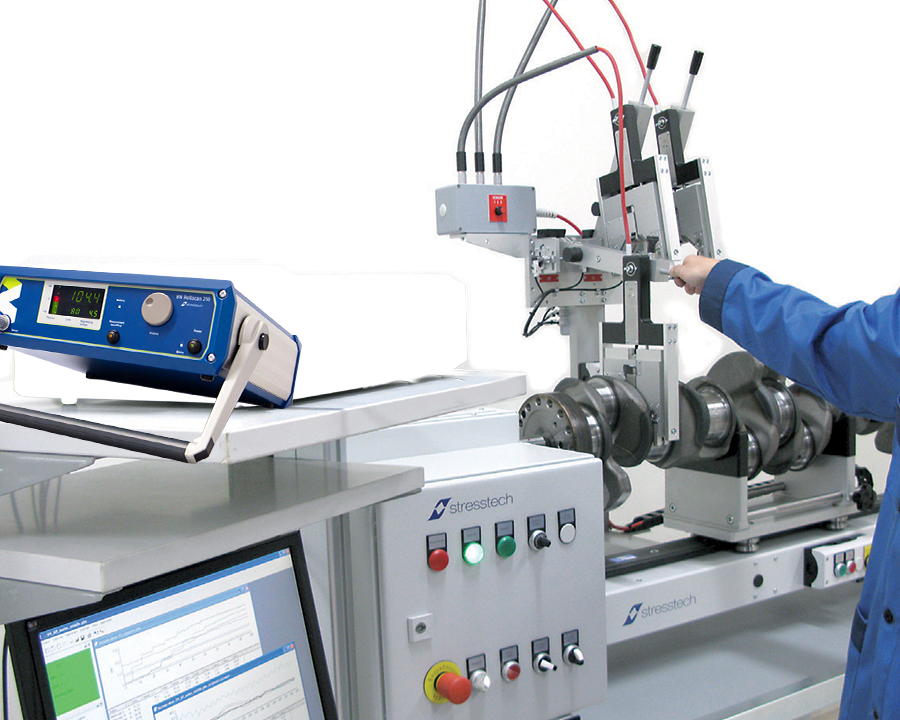
For testing near-surface defects such as grinding burns, heat treatment defects, as well as changes in stress and microstructure in ferritic steels and other ferromagnetic materials. Applications include:
Optimize your manufacturing process and deliver the highest quality components by using Barkhausen noise analysis for detection of grinding burn damage and heat treatment defects.
|
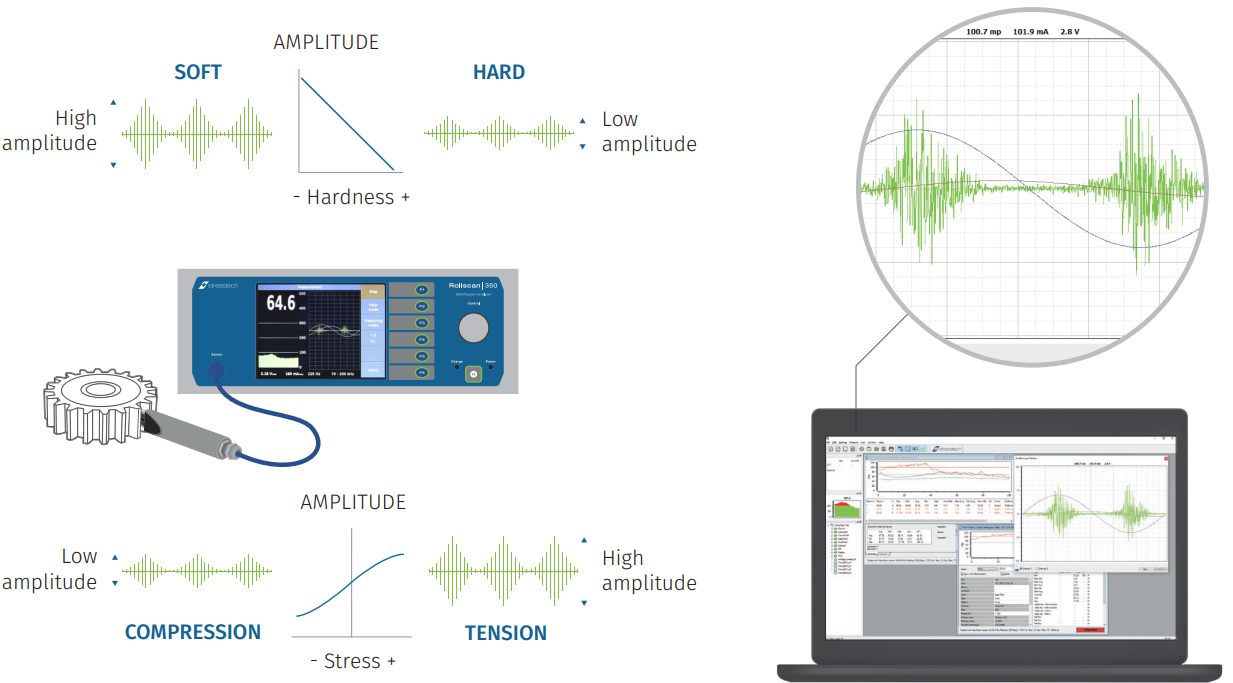
Analysis Barkhausen noise analysis is a non-destructive method involving the measurement of a noise like signal induced in a ferromagnetic material by an applied magnetic field. There are two main material characteristics that will directly affect the intensity of the Barkhausen noise signal:
|
|
Measurement principle Barkhausen noise analysis requires the use of a Barkhausen noise signal analyzer (Rollscan) and sensor. The BN Rollscan 210 is a standalone handheld unit with no ethernet or USB connection, so it does not interface with data collection software such as ViewScan. Performing Barkhausen noise measurements is a simple process:
|
| BN Rollscan 210 Technical Specifications |
|
| Measurement Channels: | 1 |
| Sensor Connector: | PPC14 |
| Magnetizing Frequency Range: | 1–500 Hz (sine wave) |
| Magnetizing Voltage: | 0–16 Vpp, adjustable |
| Analyzing Filter Range: | 70–200 kHz |
| Output Connectors: | Scope (X2): oscilloscope signal monitoring; Rec (X3): analog RMS voltage output; Sync (X4): oscilloscope sync; AUX (X5): limit relay output |
| Display: | LED bar graph + numerical readout (RMS, limit, magnetizing voltage) |
| Audible Alarm: | Adjustable buzzer triggered when measurement limit is exceeded |
| Input Voltage: | 100–240 V AC, 50–60 Hz |
| Normal Power Consumption: | 75 VA |
| Maximum Power Consumption: | 100 VA (when batteries are empty) |
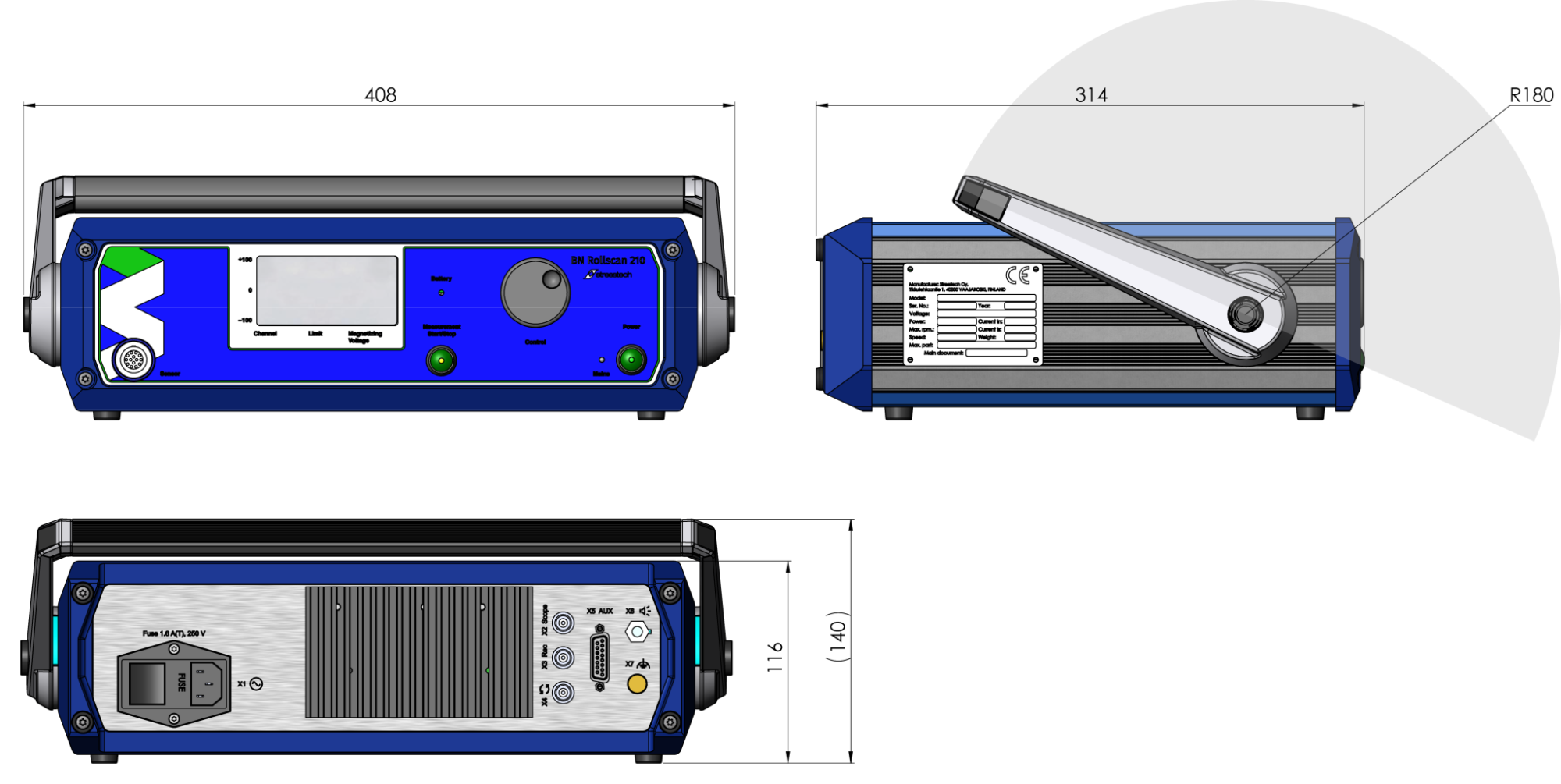
| External Dimensions: | 16.06" x 5.51" x 12.36" (408 x 140 x 314 mm); handle radius R180 mm) |
| Weight: | 13.23 lbs (6.0 kg); 16.53 lbs (7.5 kg) with batteries |
| Description | Part # | Saved | Price | Select Option | Add to |
|---|---|---|---|---|---|
| BN Rollscan 210 Noise Signal Analyzer | SM-STECH-ROLLSCAN-210 |
|
Request Pricing | ||